
Haematology Department: Expert Care for Blood Disorders and Blood Cancers
Blood disorders can be confusing-and often frightening - because symptoms may feel vague at first: fatigue, frequent infections, unusual bruising, heavy bleeding, or persistent fevers. A dedicated Haematology department brings together specialist doctors, advanced diagnostics, transfusion support, and evidence-based therapies to identify the cause quickly and start the right treatment without delay.
Haematology covers conditions involving red blood cells (anaemia and related disorders), white blood cells (immune and marrow conditions), platelets (bleeding/bruising disorders), and the clotting system. Leading centres clearly describe this full spectrum, from benign to malignant, in both adults and children.
When should you consult a haematologist?
You may be referred to Haematology after routine blood tests or when symptoms persist despite initial treatment. Importantly, a haematology referral does not automatically mean cancer; many referrals are for treatable deficiencies, inherited disorders, immune conditions, or clotting problems.
Common reasons for referral include:
- Persistent anaemia (low haemoglobin), fatigue, weakness, shortness of breath
- Recurrent fever/infections or abnormal white cell counts
- Easy bruising, nosebleeds, gum bleeding, heavy menstrual bleeding, or low platelets
- Unexplained blood clots (DVT/PE) or abnormal clotting tests
- Enlarged lymph nodes, unexplained weight loss, night sweats (needs specialist evaluation)
Competitor education pages often describe these patterns as “increase or decrease in blood components” and link them to anaemia, infections, or bleeding/clotting risks. Patients understand this framing quickly.
Conditions we diagnose and treat
Benign (non-cancerous) blood disorders
- Anaemia (nutritional deficiencies, chronic disease, haemolysis)
- Thalassemia and other inherited haemoglobin disorders
- Sickle cell disease and related haemoglobinopathies
- Immune thrombocytopenia (ITP) and other platelet disorders
- Haemophilia and bleeding disorders
- Polycythemia and elevated blood counts
- Clotting disorders and thrombosis (DVT and arterial thromboembolism)
Sarvodaya’s clinical list is helpful because it shows the range, from haemophilia and thalassemia to thrombosis and sepsis, demonstrating that haematology is not “only cancer.”
Blood cancers and bone marrow disorders (Haemato-Oncology)
Blood cancers generally arise in the bone marrow or immune system and can affect normal blood formation. Many competitor pages introduce patients to the key categories: leukaemia, lymphoma, and myeloma.
We evaluate and manage:
- Leukaemias (acute and chronic)
- Lymphomas (Hodgkin and Non-Hodgkin)
- Multiple myeloma and plasma cell disorders
- Bone marrow failure syndromes, aplastic anaemia, and related conditions
For complex blood cancers, haemato-oncology care typically involves a multidisciplinary approach: medical oncology, radiation oncology (where indicated), transfusion medicine, infection control, and supportive services. Competitor cancer centres emphasise this integrated model, especially for transplant pathways.
Advanced diagnostics under one roof
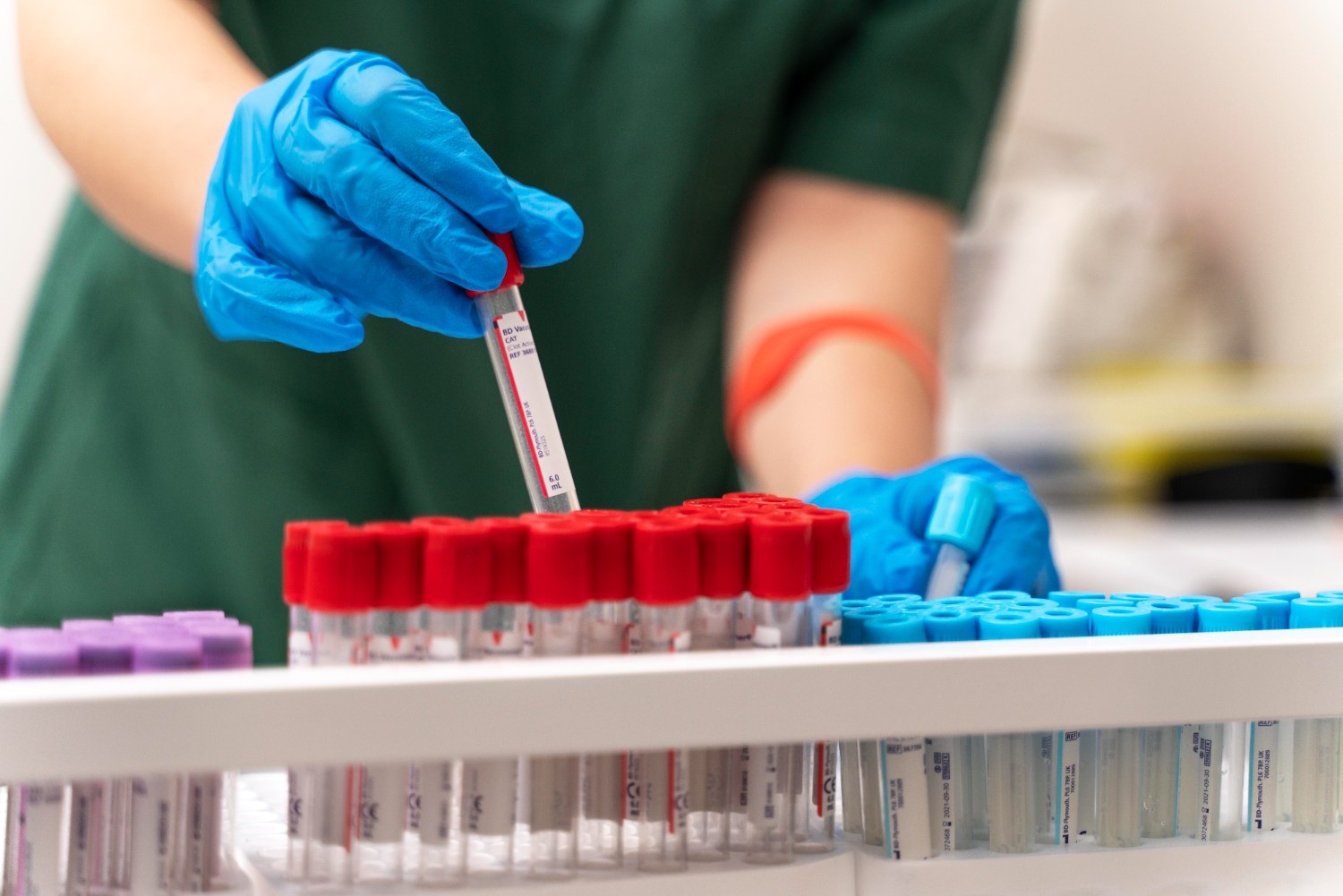
Accurate diagnosis in haematology depends on combining clinical assessment with high-quality laboratory evaluation. Some hospitals explicitly separate haematology into two aspects-clinical management and laboratory diagnosis-and that’s exactly how a strong service should function day to day.
Our diagnostic capabilities commonly include:
- Complete blood count (CBC) with peripheral smear review
- Bone marrow aspiration and biopsy when indicated
- Haemoglobin electrophoresis to identify haemoglobin disorders such as thalassemia or sickle cell disease
- HLA testing for transplant matching and planning
- Advanced imaging support (CT/PET when clinically appropriate)
Treatment approach: personalised, evidence-based, and supportive
Haematology treatment isn’t only about prescribing medicines-it’s about building a plan that balances effectiveness, safety, and quality of life, while monitoring results closely and adjusting quickly.
Depending on your condition, care may include:
- Targeted therapies, immunotherapy, or chemotherapy (for selected malignancies)
- Iron, B12, folate, or other deficiency correction
- Transfusion support (RBC/platelets) and clotting factor replacement when needed
- Management of infections and immune complications
- Long-term follow-up for inherited blood disorders
Leading haemato-oncology services also highlight patient monitoring and plan adjustments as treatment progresses, which is a key trust signal for patients and caregivers.
Bone Marrow / Stem Cell Transplant (BMT): when specialised care matters most
A bone marrow (stem cell) transplant is a procedure in which healthy blood-forming stem cells are infused into the marrow to restore its function. International medical sources describe two major categories:
- Autologous transplant (your own stem cells)
- Allogeneic transplant (donor stem cells)
Competitor BMT pages in India also call out additional transplant options (such as matched related/unrelated donors and haploidentical transplants) and emphasise infection-controlled environments and multidisciplinary support-these are real differentiators patients should look for.
A transplant pathway typically includes:
- Eligibility assessment (blood tests, imaging, marrow studies)
- Donor matching and HLA testing
- Conditioning therapy and supportive care
- Stem cell infusion and close monitoring
- Recovery, infection prevention, and long-term follow-up
What makes a strong haematology centre?
When you compare competitor positioning across NCR/India, the most persuasive service pages consistently underline the same pillars:
- Comprehensive scope: benign + malignant disorders; adults + paediatrics
- Integrated lab strength: fast, reliable diagnostics and transfusion support
- Multidisciplinary care: haematology + oncology + infection care + nutrition + counselling for complex journeys like BMT
- Family and caregiver support: financial counselling, psychological support, and structured follow-up
Your first visit: what to bring and what to expect
To help your consultation be more productive, bring:
- Past CBC reports and any bone marrow/lab reports (if done)
- Current medication list and transfusion history
- Family history of blood disorders (thalassemia, sickle cell, bleeding disorders)
- A note of symptoms and timeline (fatigue, fevers, bruising, bleeding)
After clinical evaluation, your haematologist may recommend targeted tests and explain the results, what is urgent vs. watchful monitoring, and the next steps.
Looking for an Expert
ShardaCare - Healthcity is home to some of the eminent Doctors in the world.
Book an AppointmentOur Medical Experts

Dr. Anil Thakwani
Oncology
Dr. Hemkant Verma
Oncology
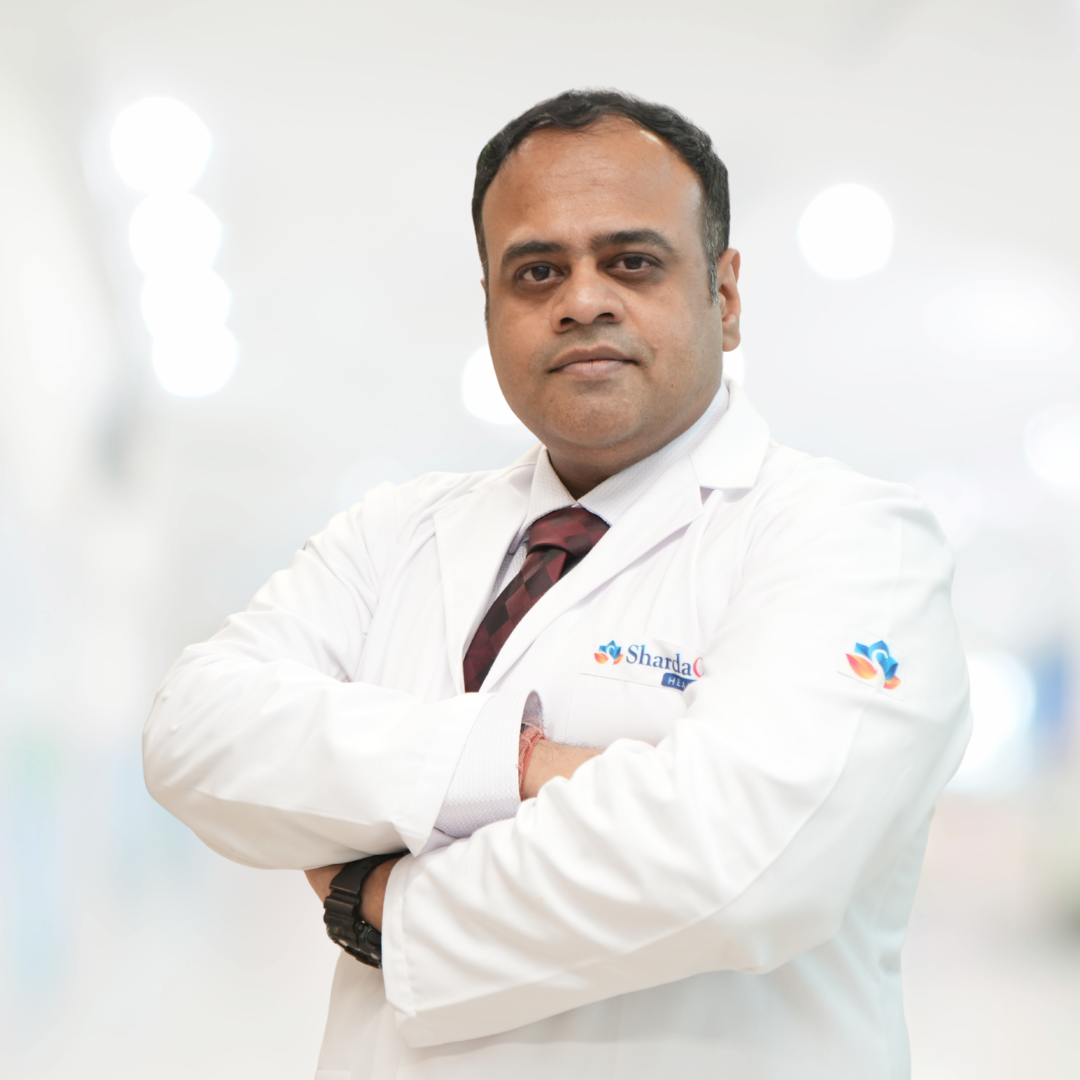
Dr. Anindya Mukherjee
Oncology
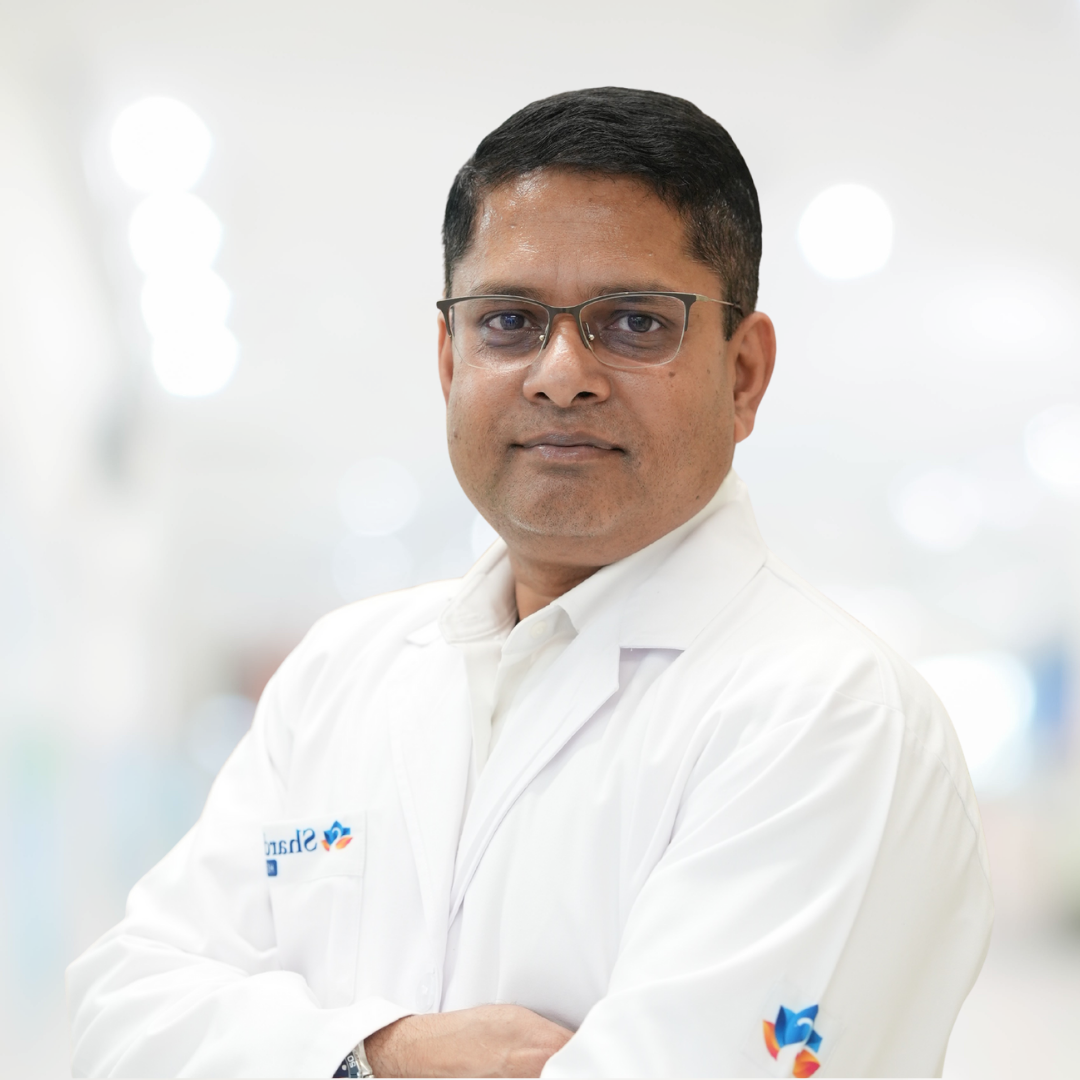
Dr. Pawan Kumar Singh
Oncology
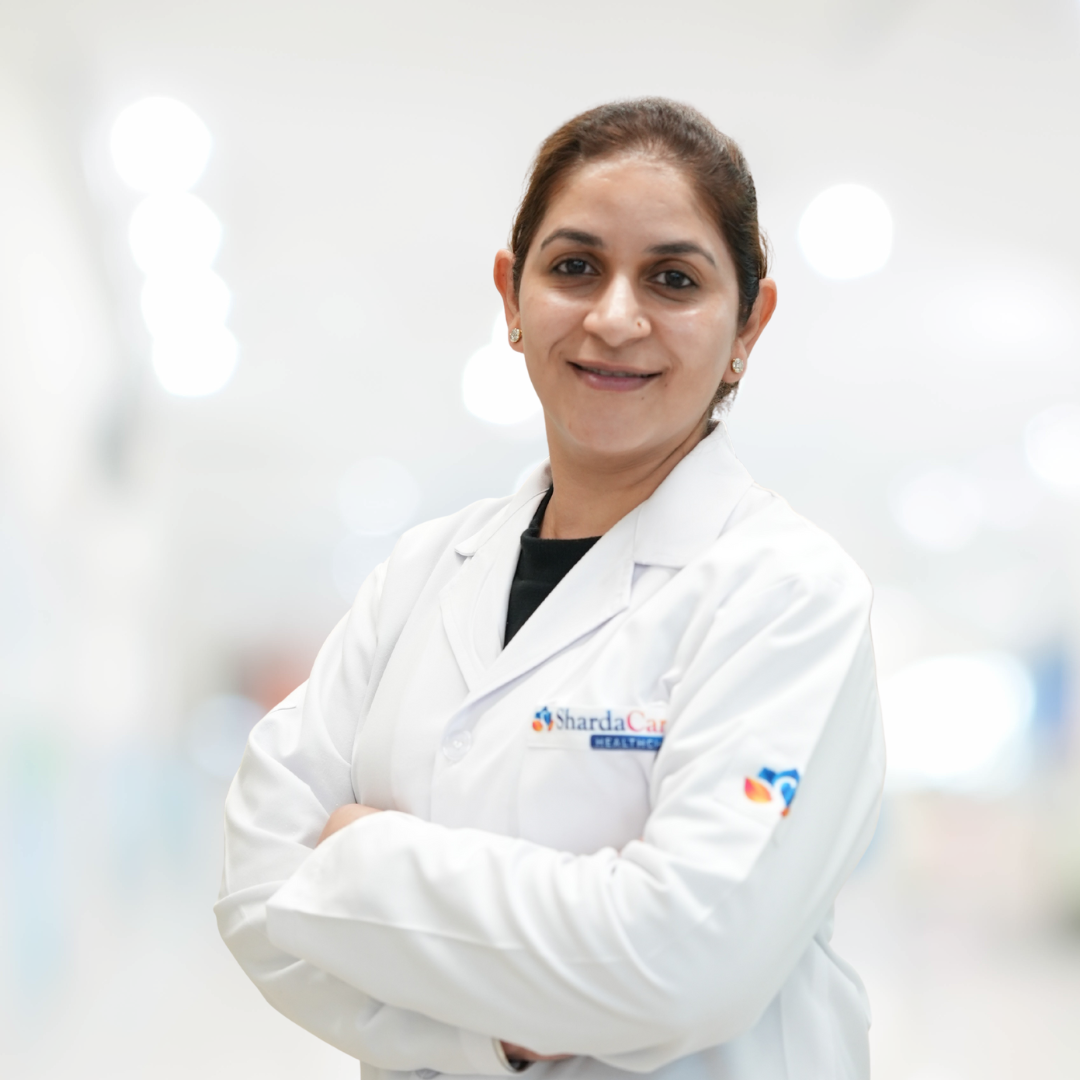
Dr. Isha
Oncology
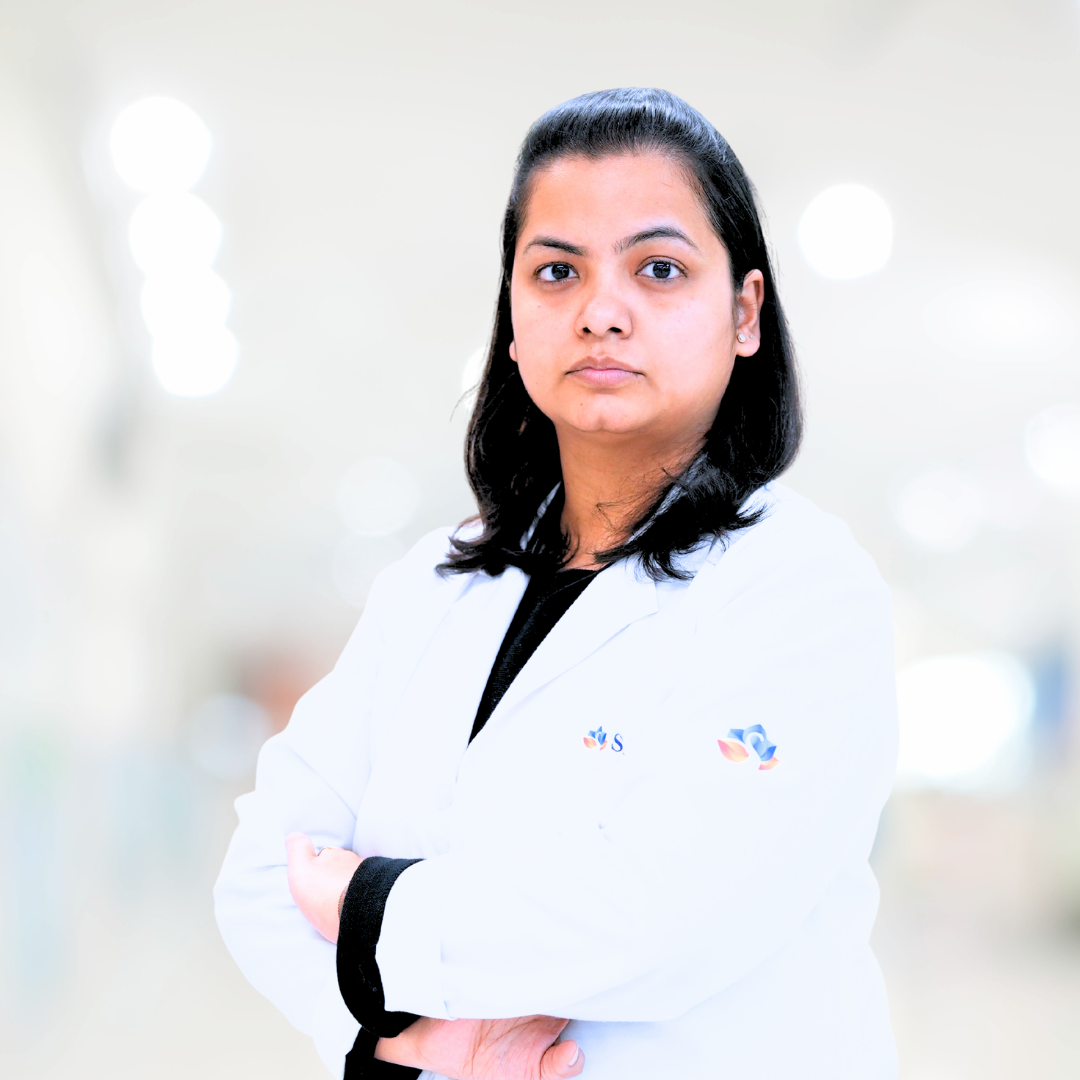
Dr. Swarnita Sahu
Oncology

Dr. Gulafshan Jabi
Oncology






Technology
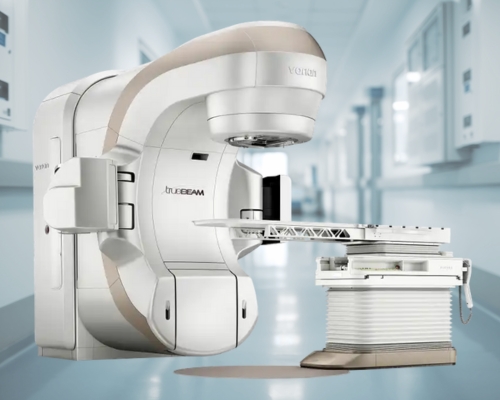
Varian TrueBeam Linear Accelerators (LINAC)
ShardaCare - Healthcity introduces Varian Truebeam LINAC, revolutionizing cancer care with pinpoint accuracy in radiation therapy for tailored treatment plans.
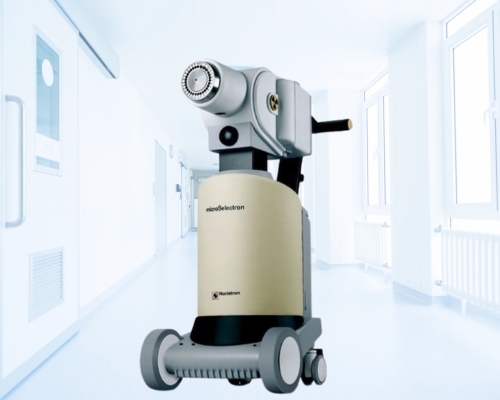
Varian HDR Brachytherapy Machine
ShardaCare - Healthcity brings the Varian HDR Brachytherapy Machine, empowering personalised cancer treatment with high-dose rate therapy for localised tumours.
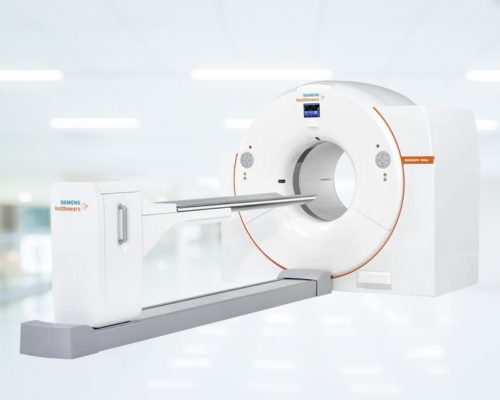
Siemens Healthineers PET CT Scan
Welcome to advanced diagnostics at ShardaCare - Healthcity with Siemens Healthineers PET CT Scan, offering unparalleled imaging precision for comprehensive disease assessment.
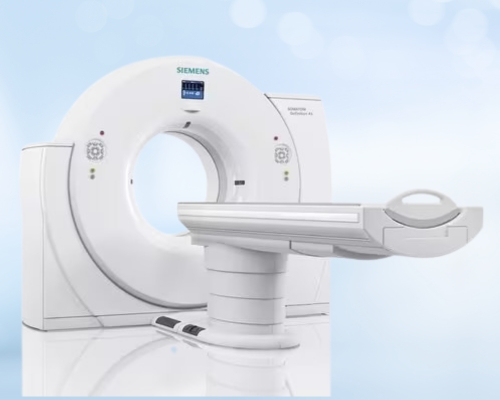
GE 256 Slice CT-Scan
Enhance diagnostic capabilities at ShardaCare - Healthcity with GE 256 Slice CT-Scan, providing exceptional image clarity for precise medical evaluation.
Real Patients, Real Stories.



Health Blogs
-
 Navigating Breast Cancer Treatment: Insights on Chemotherapy, Radiation, and Surgery
 -
 Medical Oncology: World-Class Cancer Care at ShardaCare – Healthcity
 -
 Surgical Oncology: Advanced Cancer Surgeries at ShardaCare – Healthcity
 -
 Radiation Oncology: Precision Cancer Treatment at ShardaCare – Healthcity
 -
 Gynecologic Oncology: Specialized Cancer Care for Women at ShardaCare – Healthcity